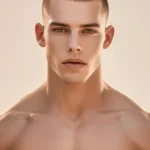

The Obsession with Types: What Attraction Really Means
The short answer? Yes. But it’s way more complicated than just liking bears, twinks, or gym bros. Attraction is deeply personal—shaped by experience, emotion, desire, and even trauma. So when a gay man says he has a “type,” what does that really mean? And how much should it matter?
More Than Just a Label
In gay culture, labels like “twink,” “bear,” “jock,” and “otter” help people describe physical types—but they only scratch the surface. What someone finds attractive can include personality traits, voice, energy, and emotional dynamics. Some guys are into confident nerds. Others crave shy, emotionally available types. Some chase chaos. Some want safety.
Your type isn’t just about what turns you on—it’s often what feels familiar, validating, or even challenging. That’s why attraction can be both comforting and confusing.
The Psychology Behind Having a “Type”
According to psychologists, most people develop attraction patterns based on early relationships—especially the ones that left an emotional mark. That means your type could reflect past validation… or past rejection. Some gay men chase the body type they were never allowed to express interest in. Others want someone who looks like their first crush—or their biggest heartbreak.
It’s not always logical. It’s emotional coding. And the more self-aware you are, the easier it is to understand what your attractions say about you.
Can “Having a Type” Be Problematic?
Sometimes, yes. If your type excludes whole groups of people—like saying “no femmes,” “no fats,” “no Asians”—you’re not describing preference. You’re expressing bias. And that bias reflects cultural conditioning, not just personal taste.
Preference becomes a problem when it’s rigid, dehumanizing, or used to hide internalized shame. Real desire is flexible. It makes room for connection—even when it doesn’t match a checklist.
Why Some Gay Men Obsess Over a Specific Type
If you’ve ever dated the same kind of guy over and over—emotionally distant gym bros, chaotic creatives, unavailable “straight” dudes—you’re not alone. Patterns repeat when the emotional need stays unmet. It’s not that you only like a certain body. It’s that you’re chasing a specific dynamic, hoping it will finally resolve.
This cycle isn’t weakness. It’s human. But noticing it is the first step to breaking it.
Is It Okay to Not Have a Type?
Absolutely. Some gay men feel bad for not having a clear preference—but fluidity is normal. Attraction shifts with mood, connection, life stage, and healing. You might be into twinks at 20 and bears by 30. Or into guys who feel safe now, after years of chasing thrill.
Having no type isn’t indecision—it’s openness. And that can lead to the most surprising, real connections of all.
How Dating Apps Reinforce “Types”
Apps like Grindr and Scruff sort people into categories—jock, geek, discreet, dominant, etc. It’s efficient, but also limiting. You’re encouraged to fit into a box and swipe based on avatars, not energy. This often reinforces superficial attraction while ignoring emotional compatibility.
It’s not about deleting the apps. It’s about using them with awareness. Swipe for what excites you—but message with curiosity, not assumptions.
When Type Becomes Obsession
Some gay men find themselves stuck in loops—always dating the same kind of guy, even when the relationships end the same way. If your “type” leads to pain or confusion over and over again, it may be time to question what that attraction is really about.
Ask yourself:
- Does this type make me feel seen or invisible?
- Do I feel like I’m chasing validation?
- Is it about him—or how he makes me feel about me?
Introspection doesn’t kill attraction—it clarifies it.
Do Types Change Over Time?
Yes—and they should. As you grow emotionally, heal from past wounds, and understand yourself better, your taste will evolve. What turned you on at 22 may not do it at 32. And what once felt intimidating may now feel inviting.
Many gay men report that after therapy, personal growth, or simply aging, their “type” changed. Less about looks. More about emotional compatibility. Less thrill-seeking. More grounding. That’s not boring—that’s evolution.
Physical vs. Emotional “Types”
We often talk about types like they’re only about looks—but emotional attraction plays a huge role. Some men fall for caretakers. Others for rebels. Some love emotionally distant men who make them work. Others melt for affectionate, available partners who offer stability.
These patterns often go deeper than muscles or jawlines. They’re about childhood wiring, attachment styles, and inner stories. And they shape how we love.
When Attraction Meets Identity
For many gay men, their type becomes part of their identity. “I’m a bear guy.” “I only date tops.” “I like shy boys.” But identity can be fluid. Holding too tightly to any label may block connection with someone incredible who falls outside your radar.
The more curious you are, the more you’ll discover. Attraction doesn’t have to be predictable. It just has to feel real.
Looking Beyond the Type
Ready to break your pattern? Want to meet someone who surprises you—in the best way? This gay platform lets you explore connection beyond categories. No pressure. No boxes. Just real people with real energy.
Craving Connection That Feels Different?
If you’re always drawn to the same kind of guy but crave a new experience, start by asking new questions—and meeting new people. Explore our deep dives on related topics:
- Do Gay Men Fall in Love Easily?
- What Rough Sex Reveals About Power and Preference
- The Truth About Gay Men and Straight Crushes
5 Surprising Facts About “Types” in Gay Dating
- 1. Attraction can be trauma-informed: Some types reflect unfinished emotional loops from past relationships or childhood wounds.
- 2. Fetish ≠ Preference: Turning someone’s race, body type, or style into a “must-have” often says more about bias than attraction.
- 3. Sexual roles can shift type: Some bottoms only date other bottoms. Some tops love switch energy. Roles don’t always define types—but they often influence them.
- 4. Your type might like you back—if you let them: Many guys rule themselves out of other people’s types without even trying. Confidence changes everything.
- 5. You don’t have to “be” a type: You can be femme one day, masc the next, soft one year, dominant the next. Fluidity is hot. Own it.
Attraction is human. But how you relate to it—that’s growth.
Find Out What Actually Turns You On
If you’re ready to explore types beyond the box—or find someone who matches your deepest vibe—create your free profile and meet men who get what you’re really about.
.webp "Real profiles, real guys – Do Gay Men Have Types? The Truth About Attraction on GaysNear")