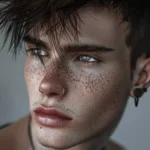

Why Attraction in Gay Dating Is Way More Nuanced
The idea of having a “type” is everywhere in the world of dating. From Hollywood stereotypes to dating app bios, the notion that people are drawn to specific physical or personality traits is a common thread. But when it comes to gay men, the question becomes: do gay men have types like straight men do? The short answer? Absolutely — but with some fascinating twists.
What Does Having a “Type” Even Mean?
In straight culture, having a type often means preferring blondes over brunettes, athletic builds over dad bods, or maybe outgoing personalities over shy ones. This framework also exists in gay dating, but with more fluidity and personal nuance.
Because gay men aren’t restricted by heteronormative gender roles, the way attraction develops can look quite different. One guy might be into muscular jocks and leather daddies, while another might be obsessed with nerdy introverts or twinks with angelic faces. And yes — these preferences often go deeper than just looks.
Types Based on Personality
For many gay men, the “type” goes beyond aesthetics. Some are drawn to extroverts who dominate the room, while others seek quiet, thoughtful partners. Emotional intelligence, shared humor, and confidence can be just as much a turn-on as abs or a chiseled jawline.
Types Based on Role Dynamics
Another factor that shapes “type” in gay dating is sexual role compatibility. Whether someone identifies as a top, bottom, or versatile can influence who they’re drawn to. While it’s not a universal rule, these dynamics do play a role in shaping preferences.
The Impact of Dating Apps on Gay Preferences
Apps like Grindr, Scruff, and Tinder have made it easier for gay men to filter by specific traits. While this can be convenient, it also reinforces certain “type” categories — sometimes at the expense of openness. Filters for age, body type, ethnicity, or sexual role can create echo chambers that limit exploration and reinforce stereotypes.
That said, these apps have also helped many men discover what they’re into. Swiping through hundreds of profiles teaches you what catches your eye — and more importantly, what doesn’t.
Types Can Evolve Over Time
One of the most overlooked truths about attraction is that it changes. A guy who was only into muscular tops in his 20s might find himself drawn to softer, more emotionally available partners in his 30s. Life experiences, trauma healing, or even a single passionate connection can redefine what someone considers their “type.”
Personal Growth and Exploration
As men grow more confident in their identity, their preferences often broaden. What once seemed like a non-negotiable “type” might soften or even vanish entirely. That’s part of the beauty of gay dating — there’s room for evolution.
The Danger of Fetishizing Types
Having a type is natural, but it becomes problematic when it crosses into fetish territory — especially around race, age, or body size. Saying you’re “only into white twinks” or “no fems, no fats” isn’t a preference; it’s discrimination. Recognizing the line between preference and prejudice is crucial in building an inclusive community.
Gay Men vs. Straight Men: A Comparison of “Types”
While both gay and straight men experience attraction, the cultural freedom in gay communities often leads to more complex or layered types. Unlike straight dating, where gender norms heavily dictate roles, gay dating allows for more variety in expression and compatibility.
Freedom from Traditional Roles
Straight relationships often default to masculine/feminine roles — the provider vs. nurturer, for instance. In gay dating, those roles can be mixed, shared, or reversed, which impacts how “types” are formed. It’s less about expectation, and more about authentic connection.
Cultural Influences on Types
Pop culture, porn, social media, and local gay scenes all play a role in shaping the idea of what’s attractive. A guy living in New York may develop very different tastes than someone in São Paulo or Tokyo, simply due to exposure. That’s why browsing sites like GaysNear can help expand your view of what’s out there — and what you might be into.
Are Types Always Necessary?
Interestingly, not all gay men feel tied to a particular type. Some prioritize vibe, chemistry, or conversation over any physical checklist. For them, “type” becomes more of a feeling than a fixed idea.
These are the connections that often surprise us the most — the ones that don’t look like what we expected but feel completely right. Sometimes, stepping outside your “type” leads to the most powerful experiences of all.
Conclusion: It’s About Attraction, Not Rules
So, do gay men have types like straight men? Yes — and then some. But the beauty of the gay experience is that it isn’t boxed in by tradition. Whether you’re into daddies, twinks, bears, or brains, your “type” is yours to define — or to outgrow.
And if you’re looking to explore all types in one place, this platform can connect you with exactly the kind of man you’re craving — even if you don’t know your type yet.
Related Reading
Examples of Common Gay “Types” in Real Life
Let’s explore a few popular archetypes often mentioned in gay culture — not to box anyone in, but to show how varied and specific “types” can be among gay men.
The Jock
Muscular, sporty, and often seen in a tank top. This type appeals to those who are drawn to physicality and a more traditionally masculine presence. Often overlaps with tops, but not always.
The Twink
Younger-looking, slim, and typically more effeminate. Twinks are often fetishized in the media but are also widely admired for their youthful vibe and energy.
The Bear
Larger, hairier, and often older. Bears represent a celebration of body positivity and masculinity. For some gay men, bears offer a sense of safety, warmth, and authenticity.
The Nerd
Shy, smart, and sometimes awkward, this type often flies under the radar — until someone connects with their depth. Intellectual attraction is a strong factor for many.
The Daddy
Older, confident, and protective. Daddies attract those looking for emotional maturity and sexual dominance. It’s not about age alone — it’s about presence.
Why Understanding “Type” Can Help in Dating
Knowing your type can streamline your dating experience. It helps you recognize patterns in who you’re drawn to — and more importantly, who actually reciprocates. Understanding what turns you on mentally, emotionally, and physically can boost your confidence and improve your communication.
That said, being too rigid in your type can be limiting. You might be filtering out amazing men simply because they don’t match a checklist. Gay dating is at its best when there’s openness to surprise.
What If You Don’t Know Your Type?
Not everyone figures out their preferences early on. Some gay men experiment for years before realizing what really excites them. And that’s okay. The journey of self-discovery is part of what makes gay dating rich and personal.
If you’re still exploring, platforms like this one can help you meet a wide variety of men — from jocks to artists, bears to boy-next-door types. It’s one of the best ways to discover what truly turns you on.
.webp "Do Gay Men Have 'Types' Like Straight Men? The Truth About Attraction – discreet gay connections in your area")