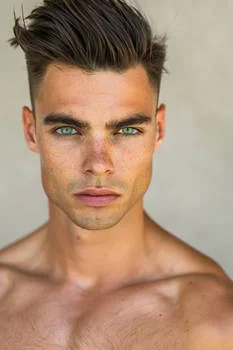
The Cost of Chasing Masculinity on Grindr 💥
In the landscape of queer dating apps, few phrases have sparked as much debate as “masc4masc.” Short for masculine-for-masculine, this term reflects a subset of users who openly seek “straight-acting,” masculine partners — often excluding femme-presenting men in the process. The term is more than just preference; it represents an entire subculture of identity performance, stigma, and internalized homophobia. In this article, we explore the depths of grindr masc4masc culture and why it matters.
The Origin of Masc4Masc
“Masc4Masc” emerged from the desire of some queer men to distance themselves from stereotypical notions of femininity. It became a shorthand for attraction to traditionally masculine traits — deep voices, muscular builds, assertiveness — but quickly evolved into a loaded term. On Grindr, bios that say “no fems” or “masc only” aren’t rare. These phrases aren’t just about attraction — they communicate exclusion, shame, and a rejection of queerness itself.
The Politics Behind Masculinity
Masculinity in queer spaces is often idealized, while femininity is marginalized — even though both exist within the LGBTQ+ experience. Grindr masc4masc culture reinforces this hierarchy by rewarding users who present as “straight-acting” with more visibility and desirability. It’s no coincidence that profiles with shirtless gym selfies and phrases like “just a regular guy” tend to get more attention.
How Internalized Homophobia Shows Up
Many users who promote masc4masc ideals may not realize they’re expressing internalized homophobia. The desire to be (or be with) someone “normal” or “straight-passing” often stems from years of social conditioning. In trying to escape the stigma attached to being gay, some turn to exaggerated performances of masculinity as a form of protection or validation.
The Damage to Femme and Non-Binary Users
Grindr masc4masc culture sends a clear message: femme men and gender-nonconforming people are less desirable. This exclusion goes beyond dating — it affects self-worth, representation, and community cohesion. Many femme users report feeling invisible or openly mocked, reinforcing the notion that queerness must look a certain way to be accepted.
Real Stories from Real Users
Daniel, a femme-presenting gay man, shared: “I’ve had guys message me just to say ‘too girly for me’ or ‘you’d be hot if you toned it down.’ It’s like they want queerness without anything that makes it actually queer.” These microaggressions mirror a larger cultural issue: femininity is undervalued, even in spaces meant to be safe for all identities.
The Media’s Role in Reinforcing the Ideal
Representation in media plays a major role. TV shows and movies often portray gay men as either flamboyant caricatures or ultra-masculine heartthrobs, leaving little room for complexity. Grindr masc4masc culture reflects these extremes, where anything outside the binary is seen as “too much” or “not enough.”
Challenging the Binary Narrative
True queerness thrives in diversity. By clinging to outdated notions of masculinity, we limit the full expression of LGBTQ+ identities. Challenging masc4masc culture means embracing fluidity — in voice, style, emotion, and desire. It also means uplifting the voices that have been pushed aside, including trans men, non-binary folks, and femme-identifying users.
How Grindr Has Responded
In recent years, Grindr has attempted to address toxic behaviors on its platform. From educational initiatives to content moderation, the app acknowledges that certain phrases, like “masc4masc,” contribute to exclusion. However, as we’ve seen in the grindr label politics discussion, real change takes more than surface-level policies.
Community Tools That Help
Some users have taken matters into their own hands. Bios now include terms like “inclusive,” “no masc shaming,” or “femme-friendly.” These efforts signal a cultural shift — one where acceptance and self-love are finally trending over outdated stereotypes.
Reclaiming Queerness Through Expression
Expression is powerful. Whether it’s painting your nails, wearing heels, or just existing authentically, femme energy is a vital part of queer history and resistance. Embracing it isn’t a weakness — it’s a revolution against systems that told us how to behave and who to love.
Want to meet people who appreciate your whole self? Try connecting through this safe queer space that values authenticity over performance.
How Masculinity Becomes a Filter
Much like the now-removed ethnicity filter that drew criticism during the Grindr race filter controversy, masculinity works as an invisible filter. It shapes who gets messaged first, who’s ignored, and who’s blocked instantly. The bias isn’t always written — but it’s deeply felt. If someone doesn’t match the masculine mold, they’re often sidelined before a conversation even starts.
Algorithms and Visibility
Even Grindr’s algorithm may play a role. Profiles with traditionally masculine aesthetics — short bios, shirtless pics, and assertive tones — are often rewarded with more visibility. This skews the entire dating pool, reinforcing the same dynamics of exclusion and desirability seen in other bias-based filters.
The Femmephobia Beneath the Surface
Femmephobia — the aversion or devaluation of feminine traits — lies at the heart of grindr masc4masc culture. It’s not just about attraction. It’s about power. Masculinity is seen as strong, stoic, and valuable, while femininity is painted as weak or shameful. This binary thinking limits everyone, especially in a community that should celebrate diversity.
How to Identify Internalized Femmephobia
If you’ve ever felt the need to tone down your mannerisms, deepen your voice, or change your fashion to “pass” on Grindr, you’ve likely encountered internalized femmephobia. Unlearning it requires acknowledging the pressures at play — and then actively rejecting them in favor of authenticity.
Profiles That Push Back
Some users are reclaiming space by proudly identifying as femme, soft, expressive, or gender-fluid. These bios don’t apologize for being “too much” — they embrace it. It’s a quiet resistance that says: I am not here to perform masculinity. I’m here to connect, honestly and fully.
The Power of Community Language
How we describe ourselves shapes how others see us. Language in bios can become a protest — against shame, erasure, and homonormativity. As discussed in the context of Grindr bio examples, even small word choices can challenge or reinforce norms. Saying “femme and proud” or “soft boys welcome” makes a statement — and it matters.
Beyond Grindr: A Shift in Queer Dating Culture
Fortunately, not all dating platforms rely on masc/fem hierarchies. Apps like Lex or HER prioritize community storytelling and identity over looks. This shows that alternatives exist — and that people are hungry for spaces that don’t punish them for being too feminine, too expressive, or too queer.
What Allies Can Do
If you don’t identify as femme, you still play a role. Challenge masc-only language when you see it. Make your bio inclusive. Compliment someone’s authentic style. Normalize softness and emotional expression. Every act of allyship chips away at the rigid walls of grindr masc4masc culture.
Closing Thoughts: Embrace the Full Spectrum
Masculinity isn’t the problem — exclusivity is. It’s time to stop treating femininity like a flaw. The queer community thrives when every expression is celebrated, not ranked. Let’s build a dating culture where vulnerability, softness, and flamboyance aren’t liabilities — they’re superpowers.
If you’re ready to explore without masks or filters, check out this affirming queer dating space where authenticity comes first.
📊 Masc vs Masc4Masc: What’s the Difference?
| Healthy Masculinity | Masc4Masc Culture |
|---|---|
| Includes softness, emotion, and vulnerability | Rejects femininity as weak or unattractive |
| Welcomes all gender expressions | Excludes femme, trans, or expressive users |
| Celebrates complexity | Enforces rigid roles |
📣 Frequently Asked Questions
Is masc4masc just a preference?
While it may seem like a harmless tag, masc4masc often excludes people based on femininity. This turns preference into prejudice and fuels internalized stigma.
Why is femmephobia still so common on dating apps?
Because many still associate femininity with weakness, even in queer spaces. Apps like Grindr reflect wider cultural hierarchies unless challenged directly.
How can I help challenge masc4masc norms?
Start with your own profile: use inclusive language, celebrate queerness in all forms, and support others who don’t fit the ‘masc ideal’.
.webp "Breaking Down Grindr Masc4Masc Culture and Its Consequences – meet gay men from your neighborhood")