
Why Beards Became a Bold Statement in Gay Identity 🧔♂️
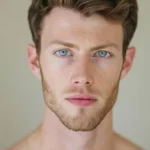
Among the most iconic expressions of masculine identity in gay culture, the beard stands tall—literally and symbolically. Understanding the gay beard background is key to appreciating its role as more than just facial hair. It’s a signal, a statement, and for many, a source of pride.
Where Beards Meet Gay Identity
Beards have long been associated with rugged masculinity, but within gay culture, they’ve taken on nuanced layers. In the 1970s and 80s, gay men began reclaiming the hypermasculine image, challenging mainstream perceptions by embracing beards and leather. The modern beard became not only a fashion statement but also a defiant nod to identity and community pride.
From Bear Culture to Bearded Icons
Bear culture, one of the most visible subcultures within the gay world, celebrates body hair, beards, and bigger bodies. This aesthetic stands in stark contrast to the mainstream obsession with clean-shaven, twink-like appearances. Beards became a defining trait, helping establish a visual shorthand that communicated belonging and desire.
Instagram, Trends, and the Bearded Resurgence
With the rise of social media, beards have surged back into mainstream gay visibility. Influencers and creators flaunt their bearded looks across platforms, from sculpted to wild. The beard today can mean many things: sexual allure, artistic edge, or simply, “I look damn good.” Platforms like GaysNear highlight this variety through real profiles and real stories.
Gay Beards in Media and Representation
From Tom of Finland’s stylized icons to modern-day Netflix series, the image of a bearded gay man has evolved. It’s no longer just about “rugged looks,” but about depth and lived experience. This positive representation fosters self-acceptance and broader cultural understanding.
Linking Subcultures: Beards, Leather, and Muscle
There’s often crossover between bearded gays and other subcultures—like leather or muscle-focused communities. For example, in our deep dive into the origins of gay leather, beards play a visible role in symbolizing raw masculinity. Similarly, check our piece on the gay muscles past to explore how physical expression ties into identity.
Conclusion: The Bearded Future
The gay beard background is layered with symbolism, culture, and pride. As identity evolves, so does the beard’s meaning. Whether worn with leather, muscle, or something entirely your own, it continues to be a mark of individuality and gay heritage.
Explore More
If you’re into discovering real guys with bold styles—from beards to leather—this platform connects you to them with zero judgment and maximum authenticity.
Historical Roots of Beards in Queer History
Beards have appeared in queer spaces long before their mainstream recognition. In pre-Stonewall eras, facial hair could serve as both a disguise and a subtle nod to others in-the-know. In hypermasculine environments like factories and biker bars, beards acted as camouflage—blending in while also quietly rebelling. These layers of meaning transformed over decades into more overt symbols of pride.
Beard Fetishism and Erotic Appeal
For many, the attraction to beards is more than aesthetic—it’s erotic. Beard fetishism is real and widely embraced in certain circles. Some apps even allow users to filter profiles by facial hair preferences. The texture, the scent, the visual—beards have become part of a multisensory erotic language. Discussions about gay fetish apps often highlight how integral facial hair can be in virtual connections and kink expression.
Why Some Gay Men Reject the Beard Trend
While beards are celebrated in many circles, not all gay men resonate with the trend. Some feel pressure to conform to a hypermasculine ideal that doesn’t match their authentic selves. Others see it as performative or trend-driven rather than genuine expression. It’s important to note that gay identity isn’t monolithic—there’s space for the bearded and the smooth-faced alike.
Beards and the Evolution of Gay Masculinity
Over time, beards have become part of a broader conversation around what it means to be masculine within the gay community. From soft masculinity to dominant leather daddies, beards are fluid markers of evolving expression. Our gay fetish culture roundtable explores how facial hair plays a role in fantasy, ritual, and real-world dynamics.
Beard Maintenance as Ritual
Caring for a beard isn’t just grooming—it’s ritual. Many gay men turn their beard routine into a form of self-care, complete with oils, balms, and stylized trimmers. Barber shops that cater to LGBTQ+ clients offer safe spaces where appearance meets affirmation. The process of shaping a beard can be therapeutic and empowering.
Global Perspectives on Gay Beards
Across the globe, beards carry different meanings in gay communities. In Berlin, the beard often aligns with techno, kink, and underground club culture. In São Paulo, it’s common in bear events and parades. Meanwhile, in Tokyo or Seoul, clean grooming with subtle stubble might dominate. The gay beard background is international and always shifting.
Final Thoughts: Beard, Identity, and Belonging
In the end, wearing a beard as a gay man is rarely just about style. It’s about story, community, defiance, attraction, and sometimes healing. Whether you’re into beards, muscles, or leather—or all of them—each element adds a piece to the puzzle of self-expression. Explore more subcultures and insights at GaysNear.
Gay Beard Symbolism in Digital Culture
In an era dominated by dating apps and digital flirtation, the beard remains a powerful visual cue. Profile photos featuring beards tend to get more attention in certain subcultures, acting as instant attraction filters. Whether on mainstream platforms or more niche gay bondage app lists, the presence of a beard often signals confidence, maturity, and a particular sexual energy. Algorithms might not understand it, but users certainly do.
Community Events Celebrating Beards
Events like “Mr. Bear” competitions or leather and kink fairs often spotlight bearded men as part of the aesthetic and spirit. These gatherings aren’t just about looks—they’re about brotherhood, representation, and history. The beard stands proud not just on faces, but on banners, merchandise, and marketing materials celebrating queer legacy.
The Personal Side: Coming Out with a Beard
For some men, growing a beard is an act of reclamation after coming out. It’s a shedding of former personas and embracing of a new, authentic self. Stories abound in queer spaces where a beard marked the moment someone stopped hiding and started living. This evolution is personal, emotional, and political all at once.
Gay Beard Meanings: Then vs Now 📊
| Era | Meaning | Expression |
|---|---|---|
| 1970s–80s | Rebellion, hypermasculinity | Full beard + leather + muscle |
| 1990s–2000s | Bear culture rise | Beard + bulk + acceptance |
| 2020s–Today | Fluid identity, style | Trimmed, wild, or styled freely |
FAQs About Gay Beards
Is the gay beard trend just aesthetic or cultural?
While beards are stylish, within gay culture they carry deeper meaning—representing masculinity, rebellion, and subcultural identity.
What if I can’t grow a beard—am I left out?
Absolutely not. Gay culture celebrates all types. Beards may be one aesthetic, but confidence and authenticity matter far more than facial hair.
.webp "New gay dates in Gay Beards: The Silent Code of Pride, Attraction, and Tribe posted daily")