Understanding the Spectrum: Bear vs. Twink in Gay Identity
Within the LGBTQ+ community, labels like “bear” and “twink” have become widely recognized categories that describe not only physical appearance but also aspects of personality and lifestyle. These terms, often embraced with pride or questioned for their limitations, play a complex role in how gay men navigate identity, attraction, and belonging.
What Is a Twink?
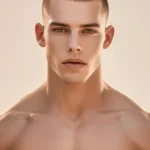
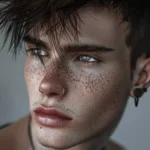
“Twink” typically refers to a young, slender, often hairless gay man. The term is frequently associated with youthful beauty, fashion-forwardness, and high energy. In popular gay media, twinks are often depicted as the life of the party—effervescent, trendy, and socially active. However, this archetype can come with stereotypes that may or may not align with individual realities.
What Defines a Bear?
In contrast, a “bear” is usually an older, larger, and hairier gay man who embraces a rugged or traditionally masculine appearance. The bear subculture emerged as a response to mainstream gay aesthetics that prioritized thin, smooth bodies. Bears celebrate body positivity, natural body hair, and a more laid-back, blue-collar attitude.
Do Gay Men Really Identify With These Labels?
While many gay men find empowerment and community in identifying as a bear or twink, others feel constrained by the rigidity of such labels. In reality, human identity—especially sexual and aesthetic expression—is far more nuanced than two opposing categories. Labels can offer a sense of belonging, but they can also create exclusion within the gay community itself.
Labels and Self-Esteem
For some, embracing a label like bear or twink is an act of pride. It validates their place in a larger community. For others, the pressure to fit into one box or another can trigger anxiety, body image issues, or feelings of inadequacy. The line between identity and stereotype is thin, and many gay men walk it daily.
The Impact of Social Media and Dating Apps
Platforms like Grindr, Scruff, and Instagram often reinforce binary categories through tags, filters, and community-based preferences. While these tools help users find like-minded partners, they also shape perceptions about what types of bodies or personalities are considered attractive. The algorithm doesn’t lie—it prioritizes certain aesthetics over others, subtly dictating desirability within digital spaces.
The Evolution of Identity in the Gay Community
As discussions around gender and sexuality become more inclusive, the gay community is also reevaluating long-held norms. Younger generations are more likely to reject rigid labels and embrace fluid expressions of identity. Terms like “otter,” “wolf,” and even “non-label” identities are gaining traction as alternatives to the traditional bear/twink binary.
Why Some Men Reject Labels Altogether
Not every gay man feels represented by the bear or twink identity. Many reject labels due to their reductive nature or past experiences of being excluded. Others resist the commodification of identity and prefer to define themselves on their own terms. The spectrum is vast, and the binary approach often fails to capture its richness.
Attraction doesn’t always align with labels. A bear might be attracted to a twink, and vice versa. However, social groupings often form around shared labels, influencing dating patterns and friendships. These circles can foster community—but also deepen divisions when individuals feel they don’t fit in.
Reclaiming Identity on Your Own Terms
Gay men are increasingly encouraged to define themselves beyond physical tropes. While some still embrace “twink” or “bear” as empowering descriptors, others choose a more fluid approach. Whether it’s mixing traits from multiple categories or rejecting them entirely, the goal is personal authenticity—not social conformity.
What Role Does Culture Play?
Racial, cultural, and geographic factors heavily influence how labels are interpreted. In some cultures, the bear community is tied to working-class pride. In others, twink identity may reflect aspirational beauty standards shaped by media. Understanding these nuances is crucial to avoiding generalizations.
Conclusion: Are Labels Helping or Hurting?
In the end, the answer isn’t clear-cut. For some, identifying as a bear or twink brings clarity, pride, and connection. For others, it’s a source of alienation or pressure. What matters most is the freedom to choose—or refuse—labels without judgment. If you feel seen by one of these identities, embrace it. If not, that’s valid too.
Recommended Resource
Looking to connect with guys who get it—whether you’re a bear, twink, or somewhere in between? Explore real connections at this leading gay social platform. It’s not about fitting in—it’s about being yourself.
Beyond Bear and Twink: Exploring the In-Between
While bear and twink are two of the most visible archetypes, they represent only a fraction of the diversity within the gay male community. Labels like “otter,” “cub,” “wolf,” “jock,” and even “daddy” offer alternative identities that blend or subvert traditional categories. An “otter,” for example, may be slim like a twink but hairy like a bear. These nuances highlight that identity exists on a spectrum—not a binary.
Intersectionality in Gay Identity
The way a gay man identifies is often influenced by more than just body type or age. Race, socioeconomic status, cultural background, and regional differences can all shape how someone sees themselves and how they are perceived. In many cases, these layers of identity interact in complex ways. A Black gay man may feel excluded from bear or twink spaces that predominantly cater to white aesthetics. This intersectional lens is crucial for fostering true inclusivity within the LGBTQ+ community.
How the Media Shapes Gay Archetypes
Representation in film, television, and advertising plays a powerful role in reinforcing—or challenging—labels. Popular series like “Queer as Folk” or “Looking” have often leaned on twink or jock stereotypes, while niche productions celebrate bear culture. Unfortunately, media visibility tends to favor certain body types, leaving others underrepresented. Changing this narrative means amplifying diverse stories and redefining what is deemed attractive or worthy of attention.
Gay Events and Subcultural Spaces
Gay men often find connection and affirmation at events that celebrate subcultural identities. Bear Weeks, leather festivals, and twink-themed parties are examples of how niche communities flourish. These gatherings are more than just social events—they’re affirmations of identity. They allow men to embrace who they are without fear of judgment. At the same time, these spaces can unintentionally gatekeep, making it important to keep them inclusive and welcoming.
The Role of Age in Identity
Identity can evolve with age. A man who identified as a twink in his twenties may feel more aligned with bear culture as he ages. This fluidity is natural, and it reflects broader changes in priorities, self-image, and lifestyle. Embracing this evolution instead of resisting it can lead to deeper self-acceptance and stronger relationships. No one remains static—and that’s something to be celebrated, not feared.
Masculinity and Its Contradictions
Labels like bear often emphasize ruggedness and masculinity, while twinkness is associated with youth and softness. These archetypes mirror society’s own obsession with gender norms. But in reality, masculinity and femininity are not opposites. Gay men are increasingly deconstructing these binaries, opting to express themselves in ways that are authentic rather than performative. The rise of “soft masc” or “femme bear” identities is proof of this evolving dynamic.
Internal Discrimination Within the Community
Despite the LGBTQ+ community’s overarching message of acceptance, internal discrimination still exists. Some dating profiles openly reject certain body types or racial backgrounds, perpetuating exclusion under the guise of “preferences.” These micro-aggressions hurt, especially when they come from within. Challenging them requires conscious unlearning, honest dialogue, and platforms that encourage respectful interaction. If you’re interested in deeper reflection, check out our take on how discrimination can persist in professional environments too.
How Language Evolves Over Time
Words like bear and twink weren’t always part of mainstream gay vocabulary. As language evolves, so too does the way we express identity. What’s considered progressive today may feel outdated tomorrow. The key is staying open to change and respecting how others choose to self-identify. Just as sexuality is fluid, so is the language we use to describe it.
Building Communities That Welcome All
Ultimately, the goal should be to create inclusive communities where every type of gay man feels welcome. Whether someone identifies as a twink, a bear, or chooses no label at all, there should be space for them to feel seen. Sites like this community hub are working toward exactly that—offering connection beyond superficial traits. True belonging comes not from fitting in but from being accepted as you are.
New gay dates in Bear or Twink? What Your Type Says About You (and Why It Matters) posted daily – via gaysnear.com


.webp "New gay dates in Bear or Twink? What Your Type Says About You (and Why It Matters) posted daily")