Why Physical Appearance Holds So Much Power in Gay Culture
Nearly 80% of gay men admit to feeling pressure to maintain a certain body type, as reported by a national LGBTQ wellness study.
Body image is a deeply personal topic — but within the gay community, it carries unique pressures. From gym culture to dating apps, many gay men feel that physical appearance plays an outsized role in how they’re perceived and valued.
The Mirror Isn’t Neutral
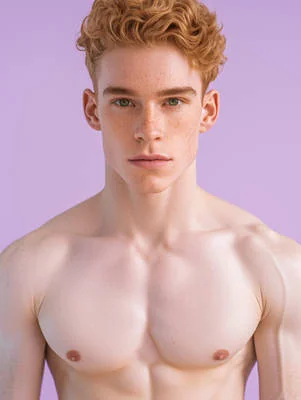
For some, body image concerns begin early. Media representation often idealizes lean, muscular, hairless bodies as the “standard.” This messaging can distort how gay men see themselves and others.
The Influence of Social Media
Platforms like Instagram and TikTok are filled with shirtless selfies and curated perfection. While this can be motivating for some, it can also fuel insecurity for others — especially when self-worth becomes tied to likes or attention.
The Rise of “Body Types” in Dating
Terms like “twink,” “bear,” “otter,” and “jock” reflect the subcultures of gay identity — but they also highlight how body types are categorized and ranked. While these labels can be affirming for some, they can also create exclusionary standards.
The Emotional Toll of Appearance Pressure
Constant comparison can lead to anxiety, disordered eating, body dysmorphia, or compulsive exercise. These struggles are often hidden beneath a smile or a six-pack.
Where the Pressure Comes From
I once skipped a pool party because I felt too ‘soft’ next to my friends. I laughed it off, but inside, I felt like I didn’t belong.
It’s not just outside pressure — it often comes from within the community. Many gay men report feeling judged not just by potential partners, but also by peers.
Looking for a safe space to connect authentically? Discover meaningful matches at <a href=”https://www.gaysnear.com”>this trusted community</a>.
Why Body Image Hits Harder in Gay Spaces
In predominantly male environments, attraction often emphasizes visual cues. Since most gay men are both the subjects and objects of attraction, the pressure to look desirable is amplified. This creates a feedback loop where body perfection feels like a prerequisite for love.
From Muscle Worship to Insecurity
Some gym-goers enjoy fitness for health, but others feel trapped in a cycle of never being “fit enough.” What starts as motivation can morph into obsession — especially when admiration turns to validation-seeking.
Body Image and Self-Worth
When self-esteem is built on external appearance, it becomes fragile. Aging, illness, or weight gain can trigger identity crises. Many gay men report feeling invisible once they no longer fit the youth-driven beauty standard.
Dating and the Aesthetic Economy
On apps, photos are currency. Profiles that don’t meet the unspoken “hotness threshold” often go ignored, while those with sculpted bodies get flooded with messages. This leads to frustration, especially when emotional connection is what’s really desired. (Explore that deeper in why emotional intimacy matters more than looks.)
The Fetishization Problem
Even within subcultures, fetishization can reduce people to their bodies. Whether it’s muscles, hair, or size, being desired for a body part rather than the person can leave gay men feeling objectified, not valued.
The Role of Race and Body Norms
Body image issues often intersect with race. In many gay spaces, whiteness and thinness are idealized, while men of color face erasure or exoticization. These dynamics deepen insecurities and reinforce a narrow standard of beauty.
Health vs. Image
Being body-conscious isn’t inherently bad. Many gay men care deeply about their health — but when that care becomes obsession, it’s time to step back. Mental wellness is just as important as physical appearance.
When Fitness Becomes Performance
For some, working out isn’t about health anymore — it’s about validation. Chasing a “perfect” body to win acceptance can leave men feeling lonelier, not loved. (See how this connects to the pressure to stay fit in gay culture.)
Learning to Love the Body You’re In
Not every gay man fits the traditional aesthetic, and that’s okay. More are rejecting toxic standards and embracing body neutrality or body positivity — movements that focus on respect and care rather than perfection.
The Rise of Inclusive Representation
Social media influencers and campaigns are beginning to feature plus-size, older, and differently-abled gay men. This visibility helps others feel seen and worthy, challenging narrow definitions of beauty.
Body Dysmorphia in the LGBTQ+ Community
Gay men experience body dysmorphia at higher rates than their straight peers. This condition involves obsessing over perceived flaws, often leading to avoidance behaviors, low self-esteem, and even depression.
Signs It’s Time to Seek Support
If your day is dominated by thoughts about appearance, or if dating feels impossible without reaching a physical “goal,” it might be time to speak with a therapist or body image coach. Mental health matters — and healing is possible.
When Attraction Expands
Some gay men report that their type evolves as they age. What once was an obsession with abs may give way to valuing emotional intelligence, creativity, or kindness. Beauty becomes more about presence than proportions.
Dating Without Shame
You deserve to be desired as you are — not 20 pounds from now, not after a glow-up. Dating platforms like this inclusive option make room for all body types to be seen and celebrated.
Peer Pressure and the “Hot Friend” Dynamic
Feeling like the “least attractive one” in your group can affect <a href=”https://gaysnear.com/blog/do-gay-men-feel-pressure-to-be-fit”>confidence</a>. These subtle dynamics can influence how gay men dress, speak, and show up socially. Recognizing and addressing these internalized narratives is a key step toward self-acceptance.
Self-Worth Without Conditions
Your worth isn’t based on abs, weight, or aesthetics. You’re allowed to take up space, be seen, and be loved exactly as you are — now. (See also how homophobia shapes self-image and desire.)
Body Image and Emotional Intimacy
How we see ourselves affects how we show up in relationships. Insecurities around body image can lead to emotional walls, fear of intimacy, or avoidance of dating altogether. Healing body perception also heals connection.
Dating With Confidence
Confidence isn’t about perfection — it’s about ownership. When you feel good in your skin, you attract partners who respect you as you are. That confidence builds deeper, more emotionally connected relationships.
Rejecting Toxic Standards
It’s time to question who benefits from the idea that only one kind of body is desirable. Media, brands, and apps often reinforce narrow beauty ideals for profit. The more we buy in, the more disconnected we become from real self-worth.
Redefining Attraction
Attraction is complex. Emotional safety, shared humor, eye contact, and presence all contribute to how desirable someone feels. Bodies change — but the energy someone brings into a room has staying power.
Community as a Source of Healing
Support groups, inclusive social spaces, and affirming friendships can help undo years of body shame. Surrounding yourself with people who reflect back love — not judgment — is essential.
Affirming Queer Spaces
Whether in person or online, seek out environments that celebrate authenticity over aesthetics. Platforms like this space offer a chance to connect without toxic comparison or unrealistic standards.
Your Body, Your Story
Every stretch mark, every pound gained or lost, every freckle — they’re part of your journey. Your body has carried you through rejection, joy, growth, and healing. It deserves love, not punishment.
You’re More Than a Mirror
The most magnetic thing about you is how you show up — not how you look. Presence. Energy. Kindness. Humor. These are the traits that make people fall in love. Let your body image reflect your inner worth, not societal nonsense.
Body Image Recovery Is a Journey
No one wakes up overnight feeling fully confident. Reclaiming body trust takes time, compassion, and practice. Some days will be harder than others — but showing up with kindness toward yourself is revolutionary.
Celebrate Your Progress
Every step — unfollowing toxic accounts, setting gym goals for health (not aesthetics), or simply looking in the mirror without self-criticism — is progress. You deserve to feel peace in your skin.
Join the gay scene in Do Gay Men Care About Body Image? today – via gaysnear.com

.webp "Join the gay scene in Do Gay Men Care About Body Image? today")